Custom Software Engineering
Purpose-built applications based on real organizational requirements — designed around the processes the work actually follows.
Turning original ideas into reliable digital systems.
Custom software engineering, automation, and digital transformation for organizations that need technology built around the way they actually work.
I don't hack systems. I craft them.
Every system is the result of original thinking, engineering discipline, and a sense of responsibility for the quality of the work. Athos Code Studio builds from its own vision — reliable systems designed around the real way an organization operates.
>I don't hack systems. I craft them.
>I don't steal ideas. I build my own.
>I don't criticize what others create.
>I create something better from my own vision.
Services described as problems solved — not technologies sold.
Purpose-built applications based on real organizational requirements — designed around the processes the work actually follows.
Repetitive and manual workflows converted into traceable digital processes that reduce error and free people for higher-value work.
Database-driven organizational systems — records, personnel, collections, and operations managed with discipline and integrity.
Legacy and manual processes modernized deliberately — step by step, without disrupting the operations that depend on them.
Applications, databases, APIs, and workflows connected into a coherent whole, so data moves where it needs to go.
Operational dashboards, reports, exports, and decision-support tools built from the data your organization already holds.
Continuous refinement of existing systems based on actual use — because a system's real life begins after launch.
Presented as systems — the problem, the approach, the architecture, and the craft. Details are kept honest and sanitized.
A database-driven system for monitoring overpayments, tracking collections and recoveries, generating demand letters, and producing financial reports for pension fund operations.
Discuss a similar system →
An information system covering personnel records, leave management, attendance, trainings, awards, and document handling for an organization's human resource operations.
Discuss a similar system →
A payroll processing and reporting system with an online payslip portal — automated computation, deductions management, and secure access to payroll records.
Discuss a similar system →
An integrated suite for collections and recovery operations — loan records, billing, deposits, recovery monitoring, and document tracking connected into one workflow.
Discuss a similar system →Software development practiced as craftsmanship — disciplined, tested, and refined through use.
The operational problem is understood before any code is written. Requirements come from the way work actually happens.
Requirements are translated into processes, data structures, interfaces, and architecture that fit the organization.
The system is built using disciplined engineering practices — clean, maintainable, and accountable code.
Functionality, security, usability, and reliability are validated before anything is handed over.
Improvements are made based on actual use and feedback — the system evolves with the organization.
A maintainable system is deployed, documented, and designed for continued improvement.
Technology treated as a craftsman's workshop — only what is genuinely used, chosen for reliability and maintainability.
A software engineer who treats systems development as a craft — and takes responsibility for the quality of the work.
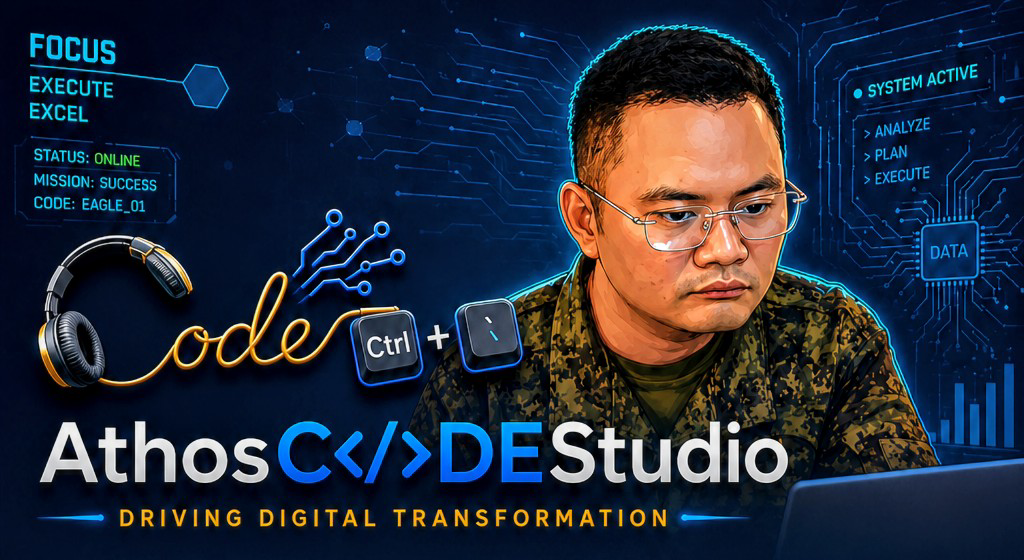
A software engineer who designs and builds original, reliable digital systems.
Genuine writing on systems engineering, architecture, and digital transformation — published only when there is something worth saying.
Tell us about the problem. We build systems around the way your organization actually works.
Start with the operational problem — not the technology. A clear description of the problem, the process affected, and the outcome you want is the most useful way to begin.